
Creating, Sharing, and Tracking Brand Love
By Ellyn Steidl
On a recent family vacation, I took the time to visit the store of an iconic girl’s toy brand. The American Girl Place is known for its immersive shopping experience, elegant yet whimsical café, and its celebration of confident girlhood, dolls, and family moments. The brand was celebrating a milestone anniversary, and it felt like the perfect occasion to create a special memory with my own daughter, just as my dad had done with me at the same store when I was young.
We spent the day exploring the store and enjoying time together sharing a brand we both loved. Some parts of the experience felt unchanged from the past—the café still rocked black-and-white stripes with berry accents, and young patrons sat next to their dolls, clipped into high-chairs. Other parts of the store felt notably different—the singular focus on historical dolls had shifted to include more modern-day product lines, and brand collaborations were featured prominently throughout the store. But the fact that we were there in the first place speaks to the power of beloved and iconic brands: the brand had created something its customers wanted to pass down to the next generation.
The experience of intergenerational affinity is not unique to the children’s toy industry. And both parents and non-parents enjoy passing along their love of a brand to others. When someone has a positive and memorable experience with a product it is natural to want to share that with those around you. But what fosters brand love in the first place?
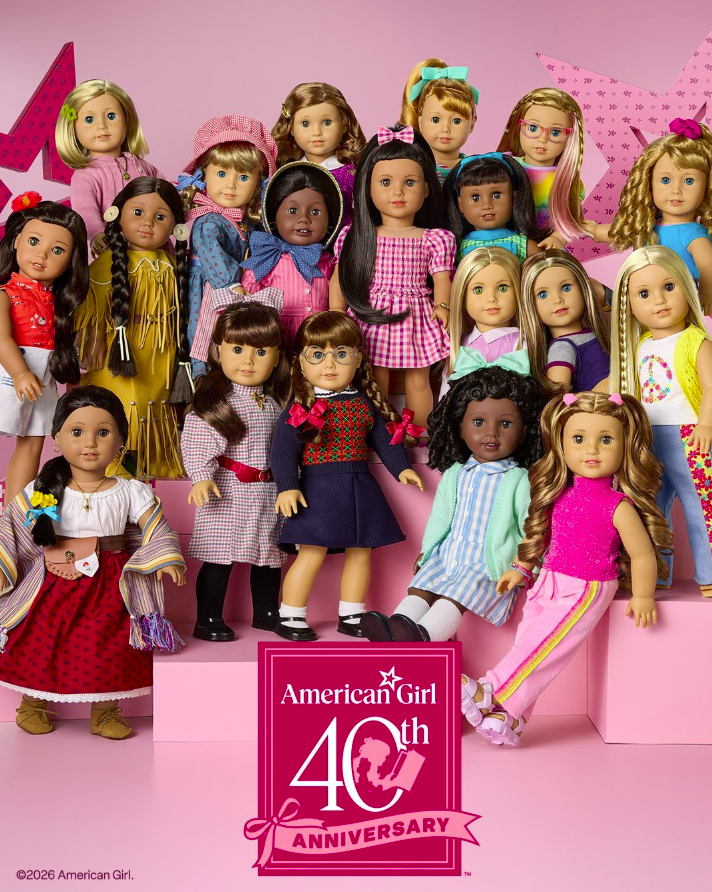
Source: American Girl
Research suggests there are several elements that foster brand love, a term coined by University of Michigan Business School professor Rajeev Batra to describe the passion and loyalty consumers feel toward a brand that expresses some part of their identity. Brand love can develop when there is:
Brand satisfaction – a person’s opinion of the total overall brand experience
Brand fit with the inner self – helps you express some unique part of your identity
Meaningful personal experiences connected to the brand, often tied to nostalgia, travel, or being with loved ones
How does a brand track its customer satisfaction, notice what matters to its target audiences, and show up for emotionally meaningful moments in consumers’ lives? Brands need to understand their consumers and treat them as valued partners providing needed feedback. Brands need to be open to learning from the people who use their products. This is where market research is essential.
Market research provides necessary perspective on a brand’s messaging, products, and services, can identify unmet needs, and track brand health over time. Brands that take the time to appreciate consumer feedback and leverage insights into decision-making are well-positioned to become something people return to repeatedly and pass along to others.
Are you ready to see how consumer insights can help you build a brand people love? Reach out to the team at W5 today to see how our custom solutions can inform your brand strategy.