By Dorothy Nam
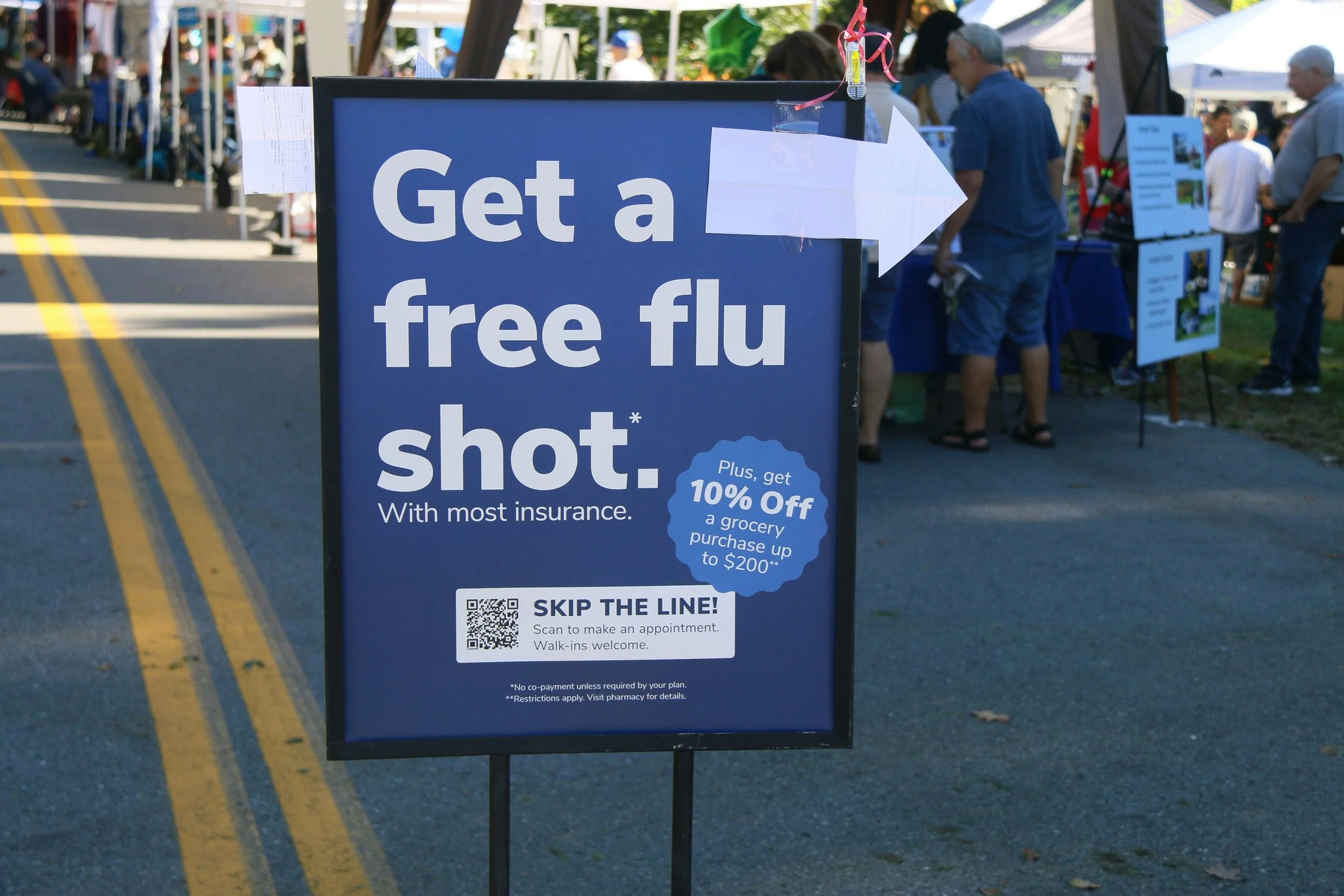
It’s that time of year! Reminders to get flu and COVID shots have been popping up at grocery stores, pharmacies, and community events, and in healthcare portals. For me, these messages are always one of the first signs that fall has arrived. For public health organizations, though, creating these seasonal campaigns begins long before they reach us.
With so much information at our fingertips, public health organizations face a particular challenge in reaching people with messages they find relevant and trustworthy. This requires a deeper understanding of people’s experiences, questions, and sources where they seek and search information.
Here’s how W5 brought audience perspectives into public health communications.
W5 partnered with an advertising agency and state public health department to understand vaccine hesitancy, misinformation, and preventive health beliefs among priority populations. The research explored residents’ information sources, trusted messengers, and vaccination decisions to inform communications that appropriately address concerns and build trust.
APPROACH
This multi-phase study began with social listening to examine vaccine-related conversations and misinformation, followed by focus groups and in-depth interviews among priority populations to explore the beliefs, experiences, and trust dynamics underlying those attitudes.
A statewide quantitative survey of residents then validated and sized key themes while identifying differences across priority audiences. A final quantitative creative test among residents evaluated existing advertising and new concepts to understand message resonance, relevance, clarity, and potential to motivate action.
RESULTS
The research showed that many residents remain open to vaccine information but encounter conflicting guidance and unanswered questions. The study identified distinct vaccine mindsets and revealed that personal healthcare providers are the most trusted source of guidance across priority populations.
By connecting exploratory, quantitative, and communications research, the program gave stakeholders actionable direction for audience strategy, trusted messengers, outreach, and messaging. The findings informed tailored communications that provide clear, transparent information, support clinicians in discussing vaccines with patients, and reach residents through networks and channels they already use.