
By Kathy Justice
I'll say it. I miss waiting in line for lunch. I miss punching numerical buttons to make a phone call. I miss having to walk home after school and getting a rock stuck in the treads of my Converse sneakers. I miss the small moments of effort and interaction that gave everyday life a little more texture.
When did I start feeling this way? It's a feeling that has been brewing for some time but bubbled over in the past year. Life got busier and obligations grew, including taking care of an elderly parent during a particularly full season of work. With a hectic schedule, I began to rely on conveniences like never before. I Ubered, DoorDashed, LunchDropped, and Instacarted so much that these tools became a habit. At first, they felt like lifesavers. But somewhere along the way, convenience stopped feeling like a luxury and became my default.
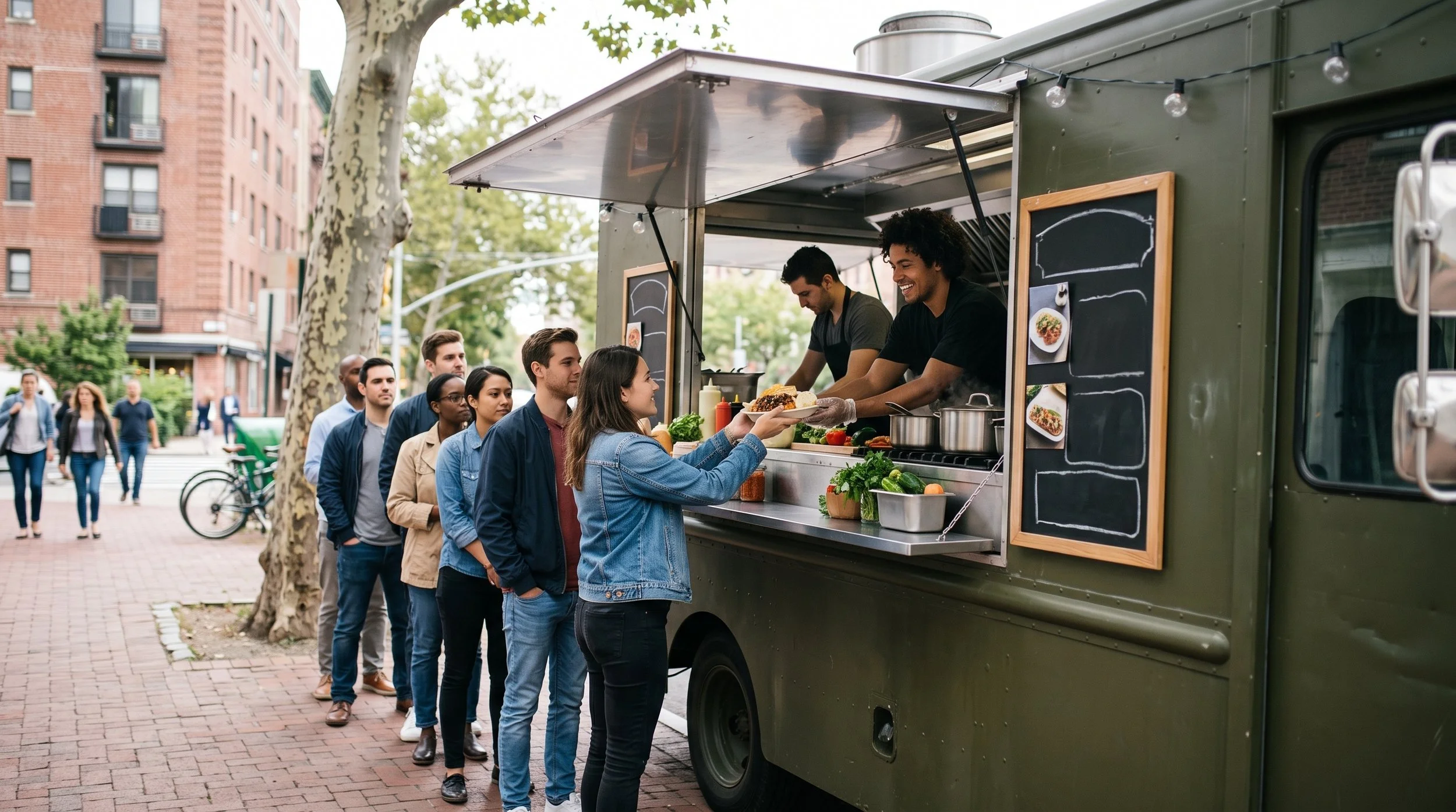
Could waiting in line add a little joy back into your day?
Then I heard a recent episode of cultural analyst Anne Helen Petersen's Culture Study podcast on the disadvantages and demerits of convenience, and it jolted me out of my digital haze.
Could the funk I was feeling be because I had taken all the grit, effort, and flavor out of my daily interactions? Had making things too easy eliminated some of the joy of doing and experiencing life? And could others, like the consumers we study so diligently, feel the same way?
I did a little digging, and it turns out I'm not alone in wondering whether our pursuit of convenience has stripped some of the meaning from everyday life. Perhaps all this digital efficiency has created a sort of malaise that leaves us feeling a little less connected and engaged. (OK, maybe I'm being a bit dramatic, but hear me out.)
In the podcast, journalist and author Gabe Bullard argues that convenience culture can fuel burnout and encourage a shallower way of living by eliminating some of the very things that make experiences worthwhile. Think about the small moments of human connection we bypass, the "free time" we fill with additional productivity, or the inconvenience we simply transfer to someone else.
For example, Bullard dares to question the convenience of the mobile lunch order. Did picking up lunch from a kiosk actually make our day better? If mobile pickup saves 30 minutes, did that time become leisure, or did we simply head back to our desks and bury ourselves in more work?
A faster lunch might get us back to our desks sooner, but it can also eliminate the small interactions that give us a break from the workday. The walk to the restaurant. The conversation with the cashier. The simple pleasure of sitting down and sharing a meal with someone.
Did we actually make lunch better, or just faster?
It's bold to question the merits of friction, especially when friction has been labeled the enemy of a good customer experience for the past decade. But Bullard is onto something, and perhaps the tide is turning on our obsession with frictionless experiences.
Customer experience writer Michael Brady makes a similar argument for a more balanced approach to friction, suggesting that introducing it at appropriate moments in the customer journey can deepen trust, build loyalty, and make an experience more memorable.
And that makes sense. When every interaction is designed to require as little thought or effort as possible, we risk creating the worst thing a marketer can imagine: a forgettable experience.
Making things slower, more deliberate, and more tangible doesn't necessarily leave customers with a bad taste in their mouths. Sometimes, it signals thoughtfulness, meaning, and quality.
Of course, not all friction is good. Nobody wants a complicated checkout process, an impossible-to-navigate website, or unnecessary hurdles when trying to resolve a problem. Sometimes, convenience is exactly what consumers need.
The challenge for brands is knowing the difference.
Which moments are simply getting in the consumer's way, and which are contributing something meaningful to the experience? What might we lose when we eliminate an interaction in the name of efficiency?
That's where research becomes especially valuable. By observing how consumers navigate experiences, listening to what they value, and understanding the emotions behind their behaviors, we can help brands distinguish between friction that frustrates and friction that creates connection.
And perhaps there's a lesson here for us as researchers, too.
As AI makes it easier to outsource tasks and streamline our work, we should be thoughtful about which parts of the creative process we hand over. A recent BTDT Agency thought piece spotlighting designer Debbie Millman makes a compelling case for preserving the "agony of the blank page." After all, wrestling with an idea, working through an unexpected finding, or struggling to articulate an original perspective can be uncomfortable. But that effort is often where the most interesting thinking happens.
So, while we may not need to go as far as Bullard's challenge to "friction-maxx,” perhaps we should be more intentional about where we allow a little friction back into our lives, our work, and the experiences we create for consumers.
The goal shouldn't always be to eliminate friction. It should be to understand which friction matters.
Where might you benefit from adding a little friction back into your day? Let us know in the comments. And if you'd like to explore the role of friction in the customer experience, we'd love to continue the conversation.